New ball, first hour of the day: the ball swings away from the right-hander, gently, predictably. Forty overs later, same bowler, same end, and the ball is suddenly darting back in, sharper and later than anything it did when it was new. Commentators call it reverse swing, and for decades, batters facing it looked like they were seeing a different sport entirely.
How Conventional Swing Works First
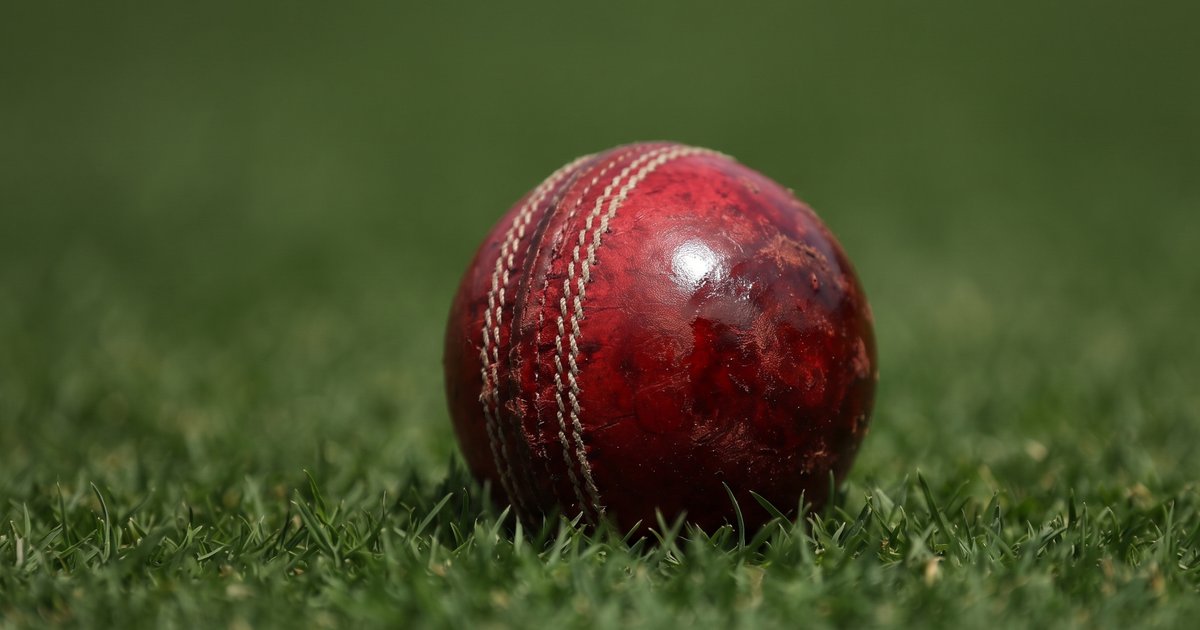
A cricket ball has a seam and two hemispheres. When new, one side is kept shiny by fielders polishing it against their clothing, while the other roughens naturally through wear. With conventional swing, the ball moves toward the rough side: if the shiny side faces leg stump, the ball swings away from a right-hander. This works reliably with a new-ish ball, mainly in the first 15-20 overs, and is strongest in humid, overcast conditions.
What Actually Flips at the Reverse Swing Point
Once a ball gets old (typically 35-40 overs into an innings on abrasive, dry pitches) and the contrast between the two sides becomes extreme (one heavily scuffed, one still relatively maintained), the aerodynamics flip entirely. Past a certain speed, usually bowled by genuinely quick pacers, the ball now swings TOWARD the rough side instead of away from it. A ball that would have swung away from a right-hander with the shiny side facing leg stump now swings in, late and often faster-looking than the batter expects because the movement happens so close to impact.
Why It's So Hard to Play
Conventional swing typically starts curving early in its flight, giving batters time to adjust. Reverse swing does the opposite. It holds its line almost until the last possible moment, then darts sharply in the final few metres. By the time a batter recognises the movement, there's often no time left to adjust the shot. Combined with genuine pace (reverse swing is far more pronounced above roughly 140 km/h), it becomes one of the most dangerous weapons in fast bowling, particularly effective as a yorker that reverses in late and full, aimed squarely at the base of off stump or the batter's toes.
The Pioneers Who Discovered It
Pakistan's pace attack in the 1980s and 90s (Imran Khan, and later Wasim Akram and Waqar Younis) are widely credited with discovering and weaponising reverse swing, at a time when most of the cricket world didn't understand what was happening or how it was achieved. Waqar Younis in particular built an entire career around the reverse-swinging yorker, regularly dismantling lower and middle orders in the last 10 overs of ODI innings. For years, reverse swing carried an unfortunate cloud of suspicion: commentators and opposition teams openly speculated about illegal ball tampering, since the mechanics weren't widely understood. It took biomechanics research through the 1990s and 2000s to confirm reverse swing is a legitimate aerodynamic phenomenon, achievable entirely within the laws through legal ball maintenance, even though illegal tampering (bottle caps, sandpaper, deliberately gouging the surface) has occasionally been used to accelerate the same effect, most notoriously in the 2018 ball-tampering scandal.
Conditions That Help (and Hurt) Reverse Swing
Dry, abrasive outfields and pitches accelerate the wear needed for reverse swing: subcontinental conditions in Pakistan, India, and Sri Lanka are traditionally where it's been most devastating. Wet outfields keep the ball too uniformly damp for the contrast to develop. Modern ODI cricket's use of two new balls (one from each end, mandated to keep both balls fresher for longer) has actually reduced genuine reverse swing in ODIs, since neither ball gets old enough within a 50-over innings the way a single ball did under older regulations, one of the more debated side effects of that rule change. Test cricket and first-class matches, where a single ball is used for up to 80 overs before a new one is due, remain the format where reverse swing is most visible and most feared.
Reading It as a Viewer
Watch for two signs: bowlers suddenly getting significant late movement well after the 30-over mark despite the ball looking obviously worn, and captains stacking fielders straight rather than in a slip cordon, anticipating LBWs and bowled dismissals from full, reversing yorkers rather than edges. When a genuinely quick bowler starts reversing the old ball late in an innings, it's often the passage of play that decides a match, both because of the wickets it takes directly and the psychological pressure it puts on the remaining batters who now have to survive an entirely different threat than the one they'd adjusted to all day.
Curious about the delivery it's most often paired with at the death? Read about the Yorker, or browse more bowling terms on Cricket Codex.