There is a version of Indian cricket that existed before Virat Kohli became Test captain, and a version that emerged after. The difference between them is not simply the results on the board. It is the expectation: the baseline assumption of what an Indian cricket team should be capable of, and what it should demand of itself.
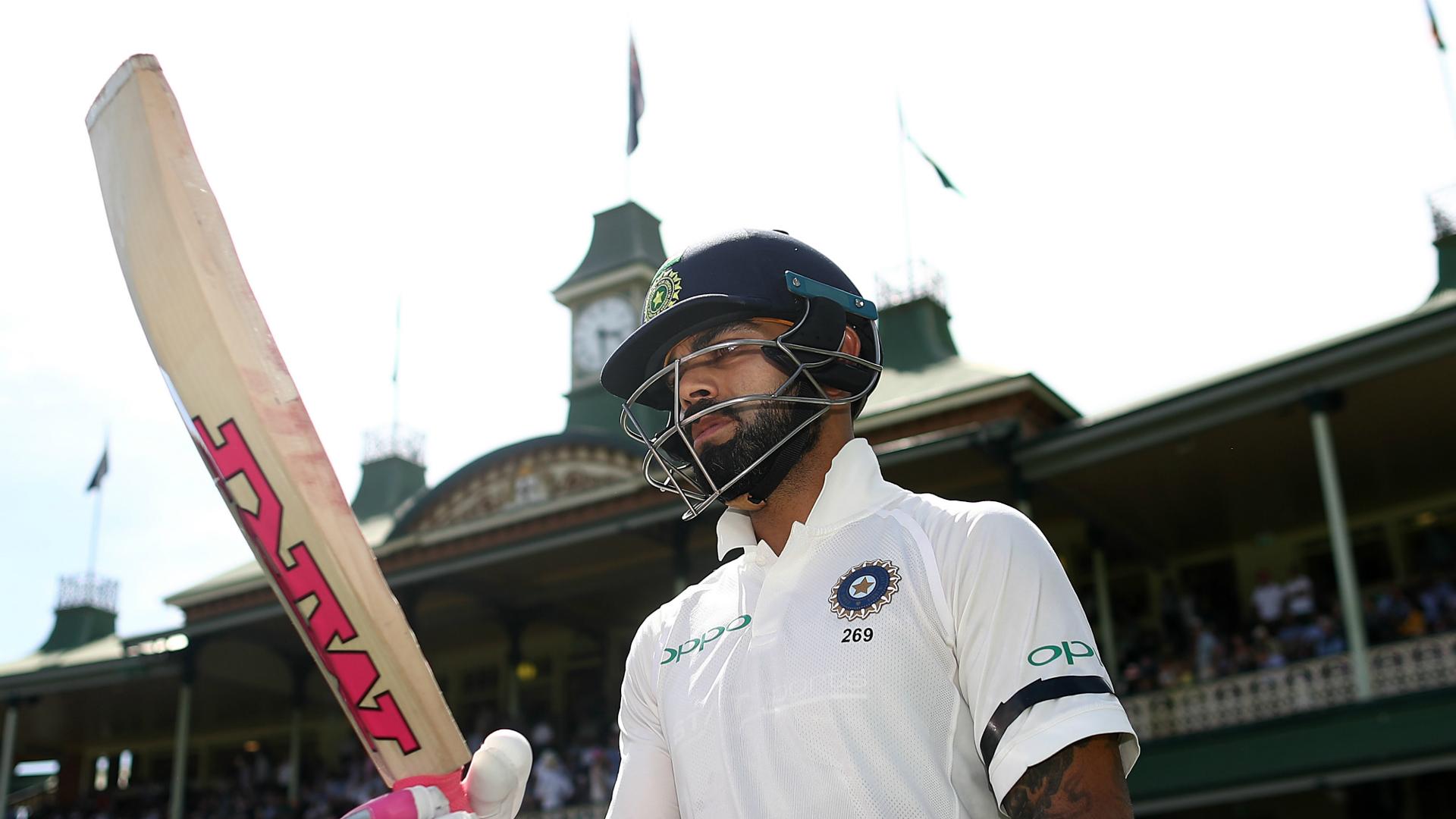
Kohli did not just captain a team. He changed what it meant to represent India in Test whites.
The Standard He Set From Day One
When Kohli took over the Test captaincy (initially in 2014 while MS Dhoni was absent, then permanently after Dhoni's Test retirement), the expectations were significant but the uncertainty was genuine. Kohli had rarely led in any format before. He was known for his batting, his intensity, his visible emotions. Whether those qualities would translate into effective leadership was an open question.
It was answered quickly. From his first series in charge, Kohli set standards that were non-negotiable: fitness, fielding intensity, and total commitment regardless of conditions or context. The Yo-Yo fitness test, a beep test used to measure aerobic endurance, became a selection requirement. Players who could not meet the standard were dropped, regardless of reputation or seniority.
This was genuinely new. Indian cricket had historically operated on a talent-first basis, sometimes accommodating fitness limitations in exchange for match-winning ability. Kohli changed the balance. Talent remained essential, but talent without fitness was no longer sufficient.
Building India's Pace Attack
The most lasting structural change Kohli made to Indian Test cricket was tactical: he believed in fast bowling overseas, and he backed that belief with selection decisions over and over again.
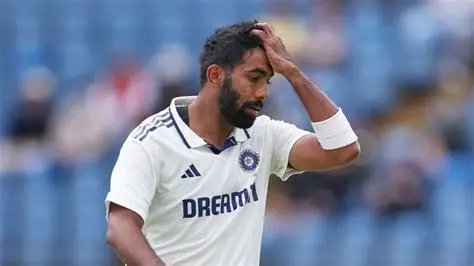
Under previous captains, India's overseas record in swing-friendly conditions (England, South Africa, Australia, New Zealand) had been a persistent weakness. The typical response was to select extra spinners as insurance. Kohli went the other way. He trusted pace. He rotated his seamers carefully, Jasprit Bumrah, Mohammed Shami, Ishant Sharma, Umesh Yadav, matching them to conditions and using them with tactical precision.
The result was the most potent Indian fast bowling attack in the country's history. Not assembled by accident, but built through sustained investment, specific selection decisions, and the willingness to back young pace bowlers even when they were expensive in their early Tests.
The Numbers Behind the Era
As Test captain, Kohli oversaw 40 wins in 68 matches, a win percentage of approximately 58%, among the highest of any Indian captain. He led India to the ICC World Test Championship Final in 2021, their first appearance in a Test championship decider. Under his tenure, India reached the number one ranking in Test cricket and held it for extended periods.
As a batter during the same period, Kohli was the best in the world, scoring 27 Test centuries between 2016 and 2019 in a run of sustained brilliance that drew comparisons to the greatest batters of any generation. He averaged over 55 in Tests across his career, with 81 international centuries across formats.
The 2018-19 Australia Series
The landmark moment of Kohli's captaincy legacy arrived in the 2018-19 Border-Gavaskar Trophy. India won it 2-1, becoming the first Asian team to win a Test series in Australia. The Australian side was weakened by the suspension of Steve Smith and David Warner, but the achievement was nonetheless historic in the context of Indian cricket's overseas record. India had toured Australia across many decades and many generations. They had never won a series there before.
The 2021 England series, where India led 2-1 with one Test remaining when the series was cancelled, reinforced the same message: Kohli's teams travelled to compete, not to survive.
What Critics Sometimes Missed
Kohli's captaincy attracted criticism for his emotional visibility: he was vocal, animated, occasionally confrontational at the boundary rope and with the media. Critics argued this sometimes cost the team composure, that the aggression was counterproductive.
What this criticism missed was that Kohli's intensity was a feature, not a flaw. It communicated to his team, and to opposition teams, that India would not accept a draw as a default outcome. It communicated that every session mattered, every wicket meant something, every day of a five-day Test was to be contested fully. In Test cricket, where the mental battle between batting and bowling sides runs across five days, that message carries real weight.
The Era He Shaped
Virat Kohli stepped down as Test captain in January 2022. The team he left behind (aggressive, fast-bowling-oriented, fit, and genuinely competitive in all conditions around the world) bore the imprint of his eight years in charge.
Whether India win or lose in any given series in the years ahead, they enter it with an expectation of competing that Kohli helped build from the ground up. That is the real measure of his captaincy: not any single result, but the standard it permanently raised for everyone who follows.
If Kohli's story of building a culture of discipline and excellence in cricket resonates, that culture starts at the grassroots. Crickonnect's match booking platform gives captains the tools to organise, schedule, and manage their teams with the kind of structure that turns casual cricket into competitive cricket.
Also read: India's 2011 World Cup Win, the night that shaped a generation of Indian cricketers, including a young Kohli.
Also read: How to Mentally Prepare to Lead a Cricket Team, on the psychological side of captaincy that separates good leaders from great ones.
Think you know your cricket legends? Guess the Legend is a new cricketer every day — six clues, six guesses.