There are dates in sport that become more than dates. They become reference points: before-and-after markers in the emotional calendar of millions of people. For cricket fans in India, April 2, 2011 is exactly that kind of date.
It was the night India won the Cricket World Cup for the second time. But the number alone does not begin to explain what the evening meant, to the players on the field, to the 33,000 in the Wankhede Stadium, and to the hundreds of millions watching across the country.
The Tournament Road to the Final
The 2011 World Cup was co-hosted by India, Sri Lanka, and Bangladesh. For India, the home conditions were both an advantage and an immense pressure. To fail on home soil, in front of home crowds, in a tournament the country had waited 28 years for: that was the weight the players carried through every game.
They carried it remarkably well. India went through the group stage unbeaten, beat Australia in the quarter-final, and then defeated Pakistan in a semi-final at Mohali that attracted more television viewers than any other cricket match in history at that point. Yuvraj Singh had been extraordinary throughout, scoring 362 runs and taking 15 wickets, performances that would earn him the Player of the Tournament award.
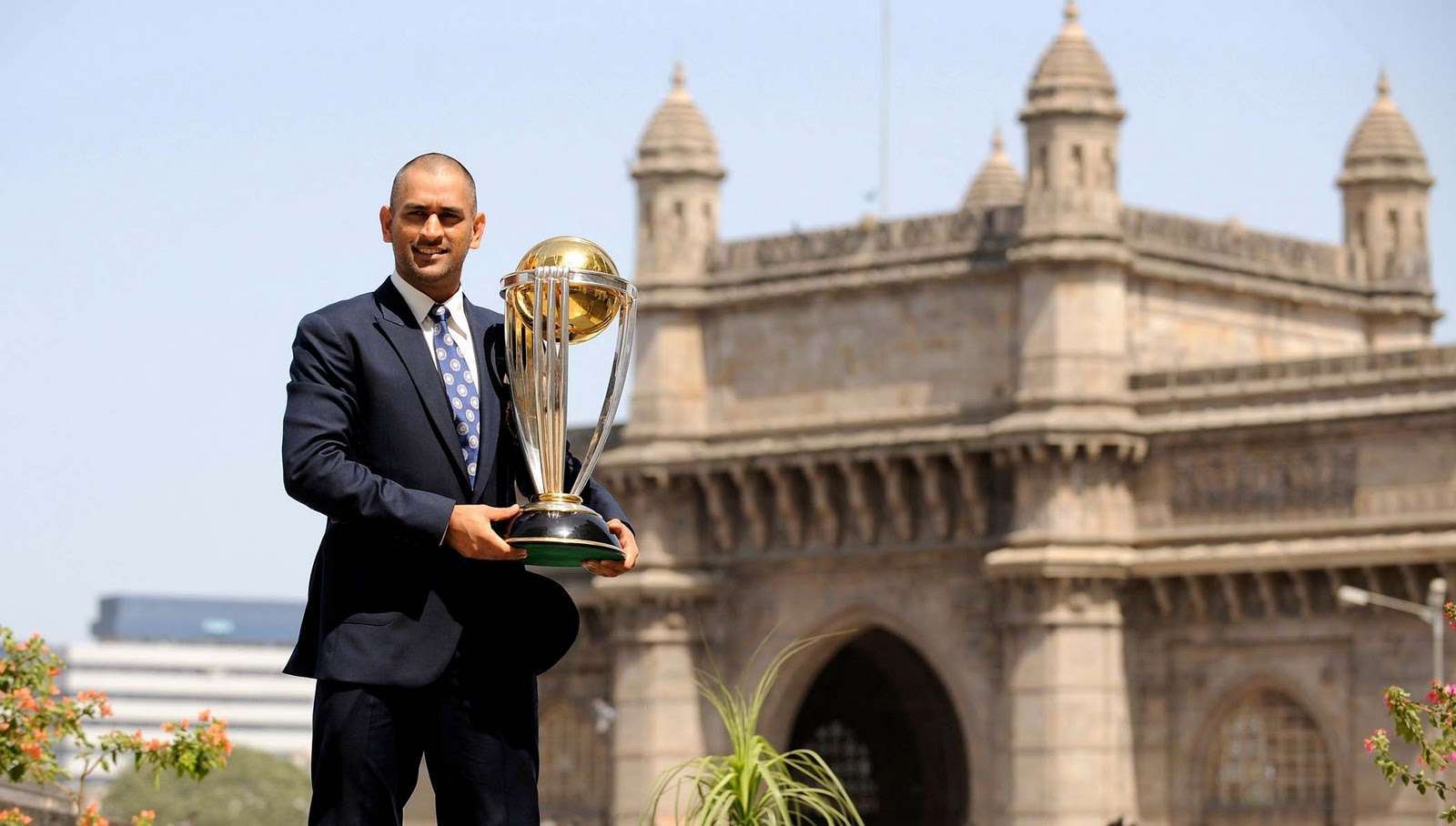
The final was at the Wankhede Stadium in Mumbai, the ground that Sachin Tendulkar had called home for his entire career. The symbolism was not lost on anyone.
Sri Lanka's Challenging Total
Sri Lanka won the toss and batted first. For long periods, they looked capable of setting a total beyond India's reach. Mahela Jayawardene batted with extraordinary elegance, scoring 103 not out from 88 balls in what would later be acknowledged as one of the finest World Cup final innings by a losing player.
India's bowlers gradually worked through the rest of the order. Zaheer Khan was disciplined. Harbhajan Singh controlled the middle overs. Sri Lanka finished on 274 for 6. In a World Cup final, with dew likely to play a role in the second innings, 274 was a genuine challenge, not insurmountable, but one that required India to bat with intelligence and composure from the first ball.
An Uncertain Start
India's reply began badly. Virender Sehwag was dismissed for 0 in the second over, caught behind off Lasith Malinga. Then, more damagingly, Sachin Tendulkar was out for 18, caught in the deep. Two of India's most celebrated batters were back in the pavilion inside the first 30 balls.
The noise at Wankhede quietened briefly, not in despair, but in that held-breath tension of 33,000 people watching something they had waited a generation for and could not bear to see slip away.
Gautam Gambhir and Virat Kohli steadied the innings. Kohli contributed 35 before falling, but Gambhir held firm through everything: absorbing pressure, rotating strike, playing entirely without ego for the team. By the time he had reached 97, India were within touching distance of the target.
Dhoni's Bold Decision
When Gambhir fell for 97 (agonisingly three runs short of a World Cup final century), India still needed 54 from the last 10 overs. The natural batting order would have seen Yuvraj Singh come in next. He was the tournament's outstanding performer. It was the logical decision.
Instead, MS Dhoni promoted himself ahead of Yuvraj. The decision was bold, arguably audacious. Dhoni had not been in peak batting form during the tournament. But he trusted his ability to read this specific situation (the conditions, the required rate, the Sri Lankan bowling attack) and backed himself.
It was the right call. Dhoni batted with a calmness that seemed almost supernatural given the context. He picked his gaps with precision. He ran hard between wickets. He hit boundaries when they were available and refused to panic when they were not.
The Six That Stopped a Nation
With 4 runs needed from 8 balls, Nuwan Kulasekara ran in to bowl. Dhoni moved outside leg stump, got underneath the delivery, and deposited it over long-on. The ball sailed into the night air above Wankhede Stadium.
Before it landed, the stadium was on its feet.
India won by 6 wickets, with 10 balls to spare. Dhoni finished on 91 not out from 79 balls. They became the first team to win a World Cup final on home soil. They had chased 275 in a final, in Mumbai, with Sachin Tendulkar watching from the dressing room, 28 years after their first triumph.
The scenes that followed, Dhoni raising his bat toward the dressing room, teammates sprinting from all directions, Sachin being carried on shoulders around the ground, are among the most replayed moments in Indian sporting history.
More Than a Cricket Match
What the 2011 World Cup victory represented was something beyond sport. For a nation that had carried the weight of expectation through years of near-misses, it was a release. For Sachin Tendulkar, in the final years of an extraordinary career, it was the one trophy that had eluded him through 20 years of individual brilliance. For Yuvraj Singh, who was later revealed to have been battling a serious illness throughout the tournament, it was a victory of spirit as much as cricket.
The best cricket is always about more than the scorecard. If you're looking to build that same sense of shared purpose and competition in your own cricket community, Crickonnect's tournament management platform makes it straightforward to run your own competitions: automated fixtures, clean scheduling, and the structure to give your players the stage they deserve.
Also read: Why Virat Kohli Is India's Most Influential Test Captain, how India's next great leader built on this foundation.
Also read: The Night Maxwell Would Not Walk Off, another World Cup night that turned a hopeless scoreline into cricket history.