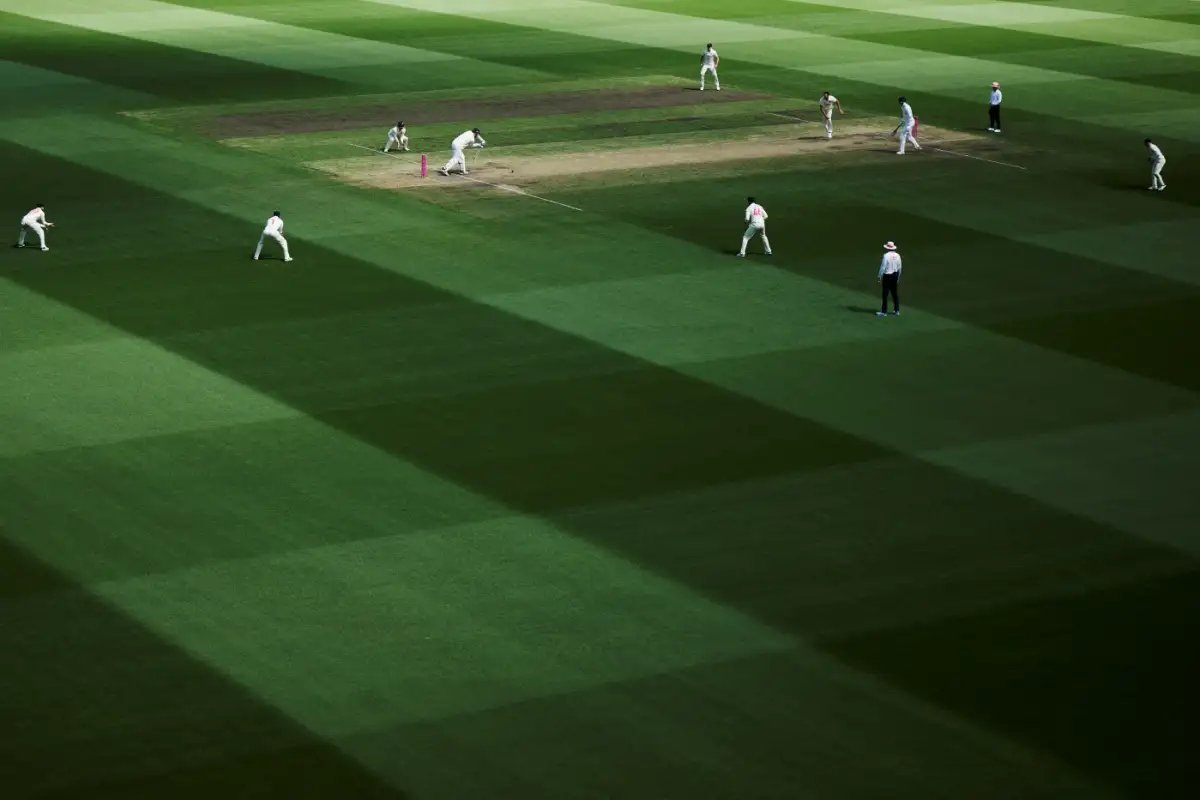
A no-ball is an illegal delivery. The batting side gets one run added to the score, and the bowler has to bowl the delivery again. In white-ball cricket, a front-foot no-ball is also followed by a free hit.
The Short Answer
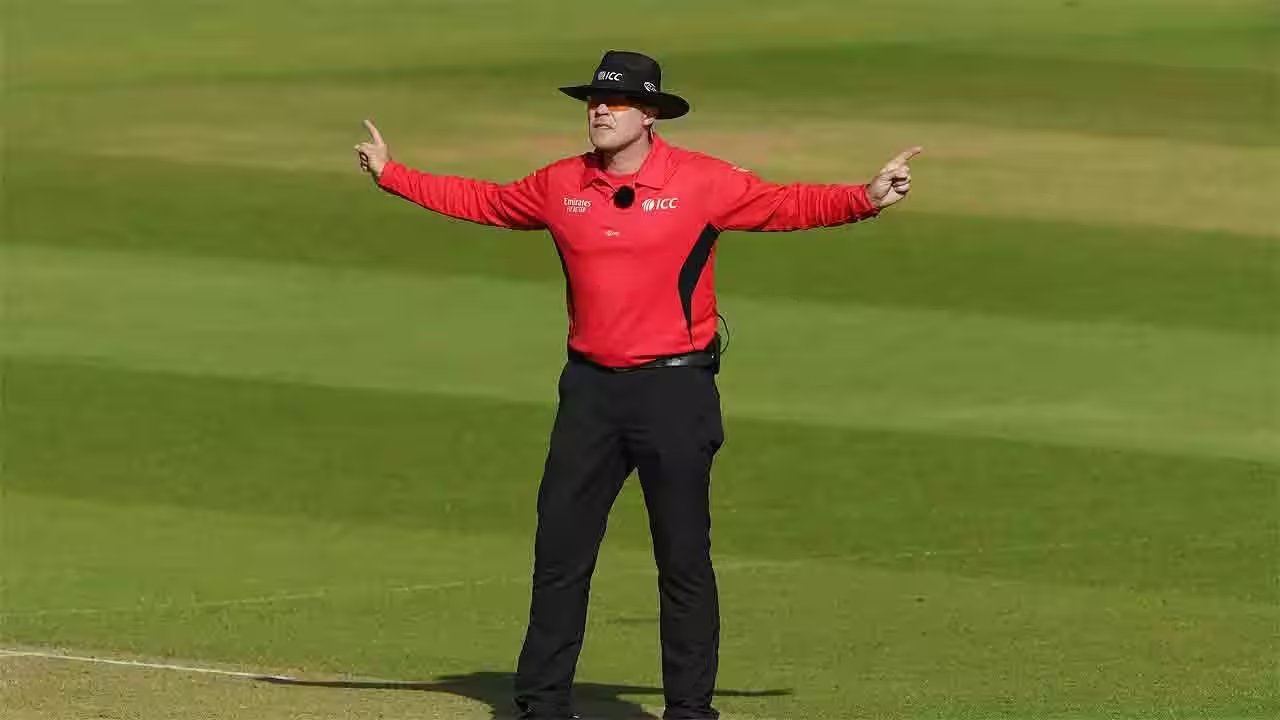
The umpire signals a no-ball by extending one arm horizontally. The delivery does not count as one of the six in the over, so the bowler must bowl an extra ball. The penalty run is charged to the bowler.
Why a No-Ball Is Called
- Front-foot no-ball: the most common reason. Some part of the bowler's landing front foot must be behind the popping crease. If none of it is, it's a no-ball.
- Dangerous height: a full toss that passes the batter above waist height. The exact limit depends on the bowler's type and pace, as set out in the Laws.
- Too many short balls: playing conditions limit how many bouncers a bowler can send above shoulder height in one over. Go over the limit and it's a no-ball.
- Fielding breaches: for example, too many fielders on the leg side behind square, or a fielder encroaching on the pitch.
- Ball bounces more than twice, or rolls along the ground before reaching the batter.
- Throwing: if the bowler's action is a throw rather than a bowl, the umpire calls no-ball.
What the Batter Can Do
On a no-ball the batter can score off the bat as normal, and those runs are added to the penalty run. But the ways a batter can be dismissed are limited: only run out, and a few rare modes such as hitting the ball twice, obstructing the field or handling the ball. A batter cannot be bowled, caught, LBW or stumped off a no-ball.
The Free Hit
In limited-overs cricket, the delivery after a front-foot no-ball is a free hit. The batter can swing freely because most dismissals do not apply, usually only a run out is a realistic danger. Run-scoring options are unchanged. If the free hit itself is a wide or no-ball, it is re-bowled and the batter still gets a free hit.
Why It Matters
A no-ball can swing a match: bowlers have given away a wicket, a chance to defend a total, or a free hit on the final over. That's why bowling coaches drill run-up and landing spots relentlessly, and why leagues use technology to check front-foot calls.
Related reading: what "conceded" means in bowling figures, Free Hit in the Cricket Codex, and the full wide ball rules.