A powerplay is a block of overs in a limited-overs match during which only a small number of fielders are allowed outside the 30-yard circle. Fewer fielders on the boundary means more gaps, so batters attack. It is the single biggest rule shaping how T20 and ODI innings are paced.
The Short Answer
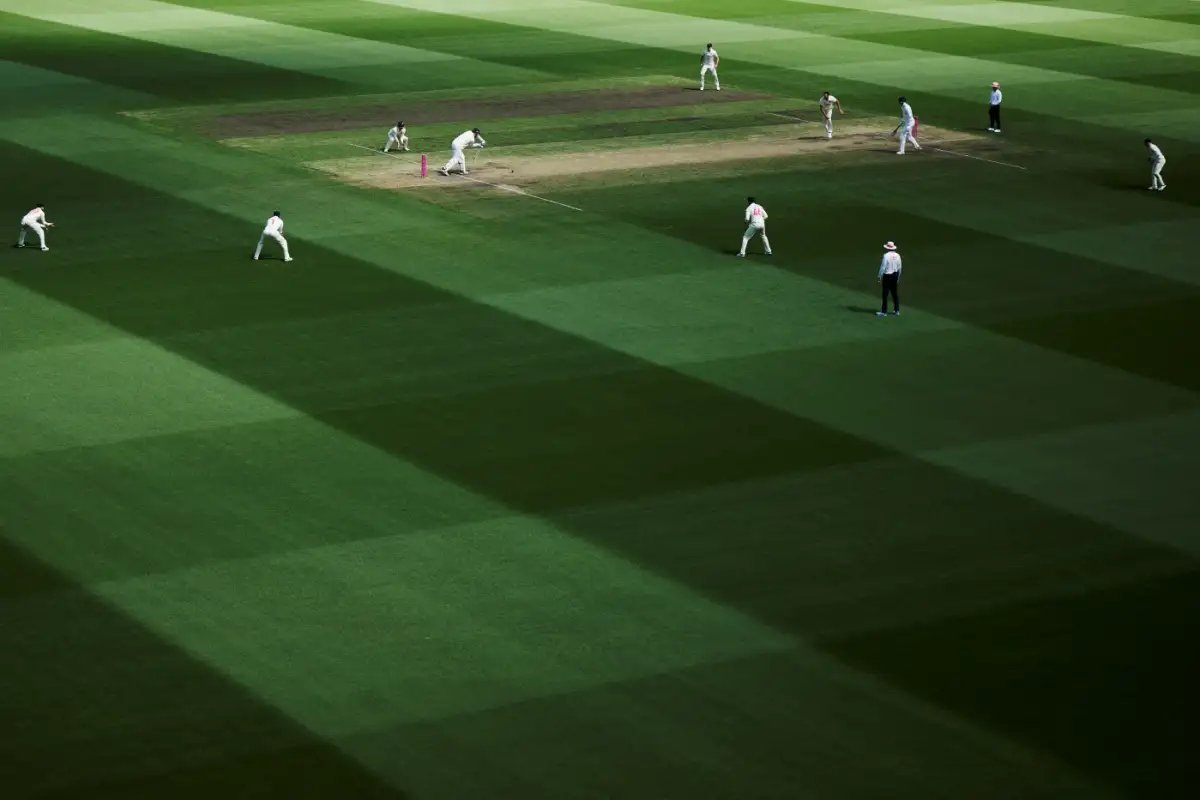
In the first few overs of every white-ball innings, the fielding side must keep most of its players inside the 30-yard circle (the oval painted around the pitch). The exact number allowed outside depends on the phase of the innings and the format.
Powerplay Rules in T20 Cricket
T20 has a single powerplay: the first 6 overs of each innings. During those overs, a maximum of 2 fielders can stand outside the circle. After over 6, up to 5 fielders are allowed outside for the rest of the innings.
Powerplay Rules in ODIs
Since the 2015 simplification, a 50-over innings is split into three phases:
- Overs 1–10: maximum 2 fielders outside the circle.
- Overs 11–40: maximum 4 fielders outside the circle.
- Overs 41–50: maximum 5 fielders outside the circle.
Older ODIs had batting and bowling powerplays that captains could choose to take. Those optional powerplays no longer exist in international cricket.
Is There a Powerplay in Test Cricket?
No. Test matches have no powerplay because there is no limit on overs. Fielding is restricted in a different way: the Laws cap the number of fielders behind square on the leg side, but captains are otherwise free to place the field however they like.
Why the Powerplay Matters
With only two fielders on the boundary, the ring is stretched thin and every gap through cover, mid-wicket or over the infield becomes a boundary chance. Batters try to score as many runs as they can before the restrictions lift, while bowlers try to use the new ball and take early wickets. A strong powerplay, from either side, often decides T20 matches.
Teams track it closely: a batting side scoring 55 or more in the first six overs is generally ahead of a typical T20 pace, though the benchmark varies by ground and conditions.
How Captains Set Fields in the Powerplay
Inside the circle, captains choose between catching positions (slips, short cover) for wickets and protective positions that cut off singles. See where each position stands on our Field Positions guide, or practise the decisions yourself in Field Marshal.
For the one-line version, see the Cricket Codex, and for how these formats differ overall, read Test vs ODI vs T20: The Difference.