Someone new to cricket hears there are three different formats and reasonably assumes they're minor variations of the same thing, like basketball quarters being 10 minutes instead of 12. They're not. Test cricket, ODIs, and T20 are close to three different sports wearing the same kit. Here's what genuinely separates them.
The Headline Numbers
Test cricket is played over up to 5 days, with each team batting twice: no over limit at all, just time and wickets. An ODI (One Day International) is 50 overs per side, completed in a single day. T20 is 20 overs per side, completed in around 3 hours. Those numbers alone explain a lot, but the real differences run deeper than the clock.
How a Team Actually Wins
In Test cricket, a team wins by taking all 10 opposition wickets across both their innings while scoring more runs overall. If neither side can force that (if time runs out first), the match is a draw. This is the single biggest thing newcomers misunderstand: a team can bat brilliantly for four days, be nowhere near losing, and still not "win" if they can't bowl the opposition out twice. In ODIs and T20s, there's no draw in normal play: one team simply scores more runs than the other in their allotted overs, and if scores tie, a Super Over or bowl-out often decides it.
What Actually Changes on the Field
Fielding Restrictions
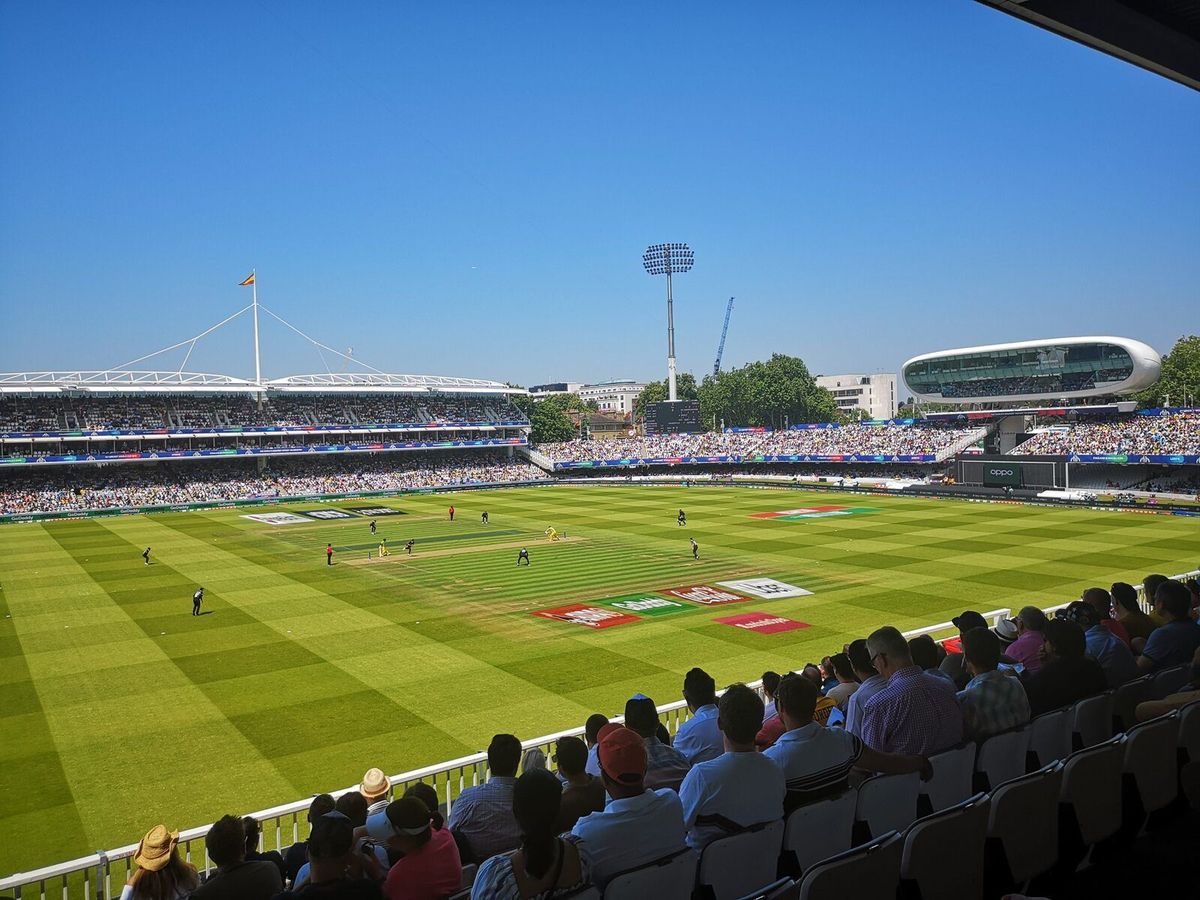
Test cricket has no powerplay or fielding circle restrictions at all. Captains can put every fielder on the boundary from ball one if they want. ODIs and T20s both use mandatory powerplays where only 2 fielders are allowed outside the 30-yard circle, forcing captains to accept risk in exchange for attacking fields.
The New Ball
In Tests, a new ball is available after 80 overs and bowling sides pick their moment. In ODIs, two new balls are used simultaneously, one from each end, which changes how reverse swing develops since neither ball gets old enough in the same way it does in Tests. This is a major reason genuine reverse swing has become rarer in modern ODI cricket.
Pitch Behaviour
A Test pitch is expected to change character across 5 days: hard and true early on, cracking and turning by day 4-5. Bowlers and captains plan entire strategies around a pitch that doesn't exist yet on day 1. ODI and T20 pitches are prepared to stay relatively consistent for the single day they're used.
The Skills Each Format Actually Rewards
Test batting rewards leaving the ball, patience, and the ability to bat for 6+ hours without a lapse in concentration. A batter can score a match-winning 90 without a single six. T20 batting rewards strike rate above almost everything else: the same 90 scored slowly would actively cost a T20 team the match. ODI batting sits in between: patience through the middle overs, acceleration at the death, a hybrid skill set that's arguably the hardest to master because it demands both other formats' instincts in the same innings.
Bowling follows the same pattern in reverse. Test bowlers build pressure across entire sessions, setting up a batter over 20 overs. T20 death bowlers need a completely different toolkit (yorkers, slower balls, disguised variations) because they get one or two overs to make an impact, not a full session.
Why All Three Formats Still Matter
Test cricket is widely regarded by players themselves as the truest examination of skill: the format where technical and mental weaknesses have nowhere to hide across 5 days. ODIs remain the format of the Cricket World Cup, cricket's original global tournament. T20 is the format driving the sport's commercial growth and global reach, from the IPL to grassroots box cricket leagues in cities that never had professional cricket before.
A genuinely complete cricketer today needs to switch between all three mindsets, sometimes within the same week. Understanding what separates them isn't just trivia, it's the key to understanding why a player can look completely different in a Test match versus a T20 game, without their skill actually changing at all.
Rain and tiebreakers add their own format-specific wrinkles too. See how the DLS Method and Net Run Rate shape results in limited-overs cricket. Ready to see these formats in action at grassroots level? Check out Matches and Tournaments to see how Crickonnect organises cricket across formats.