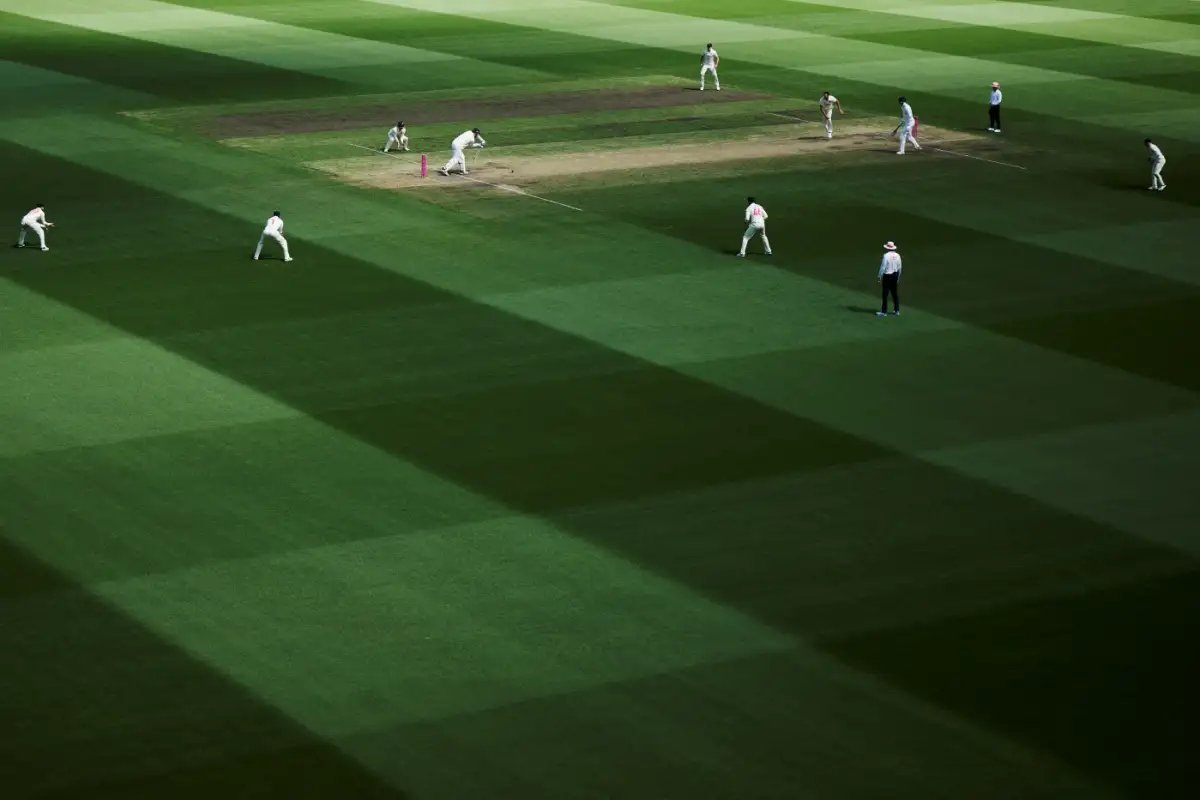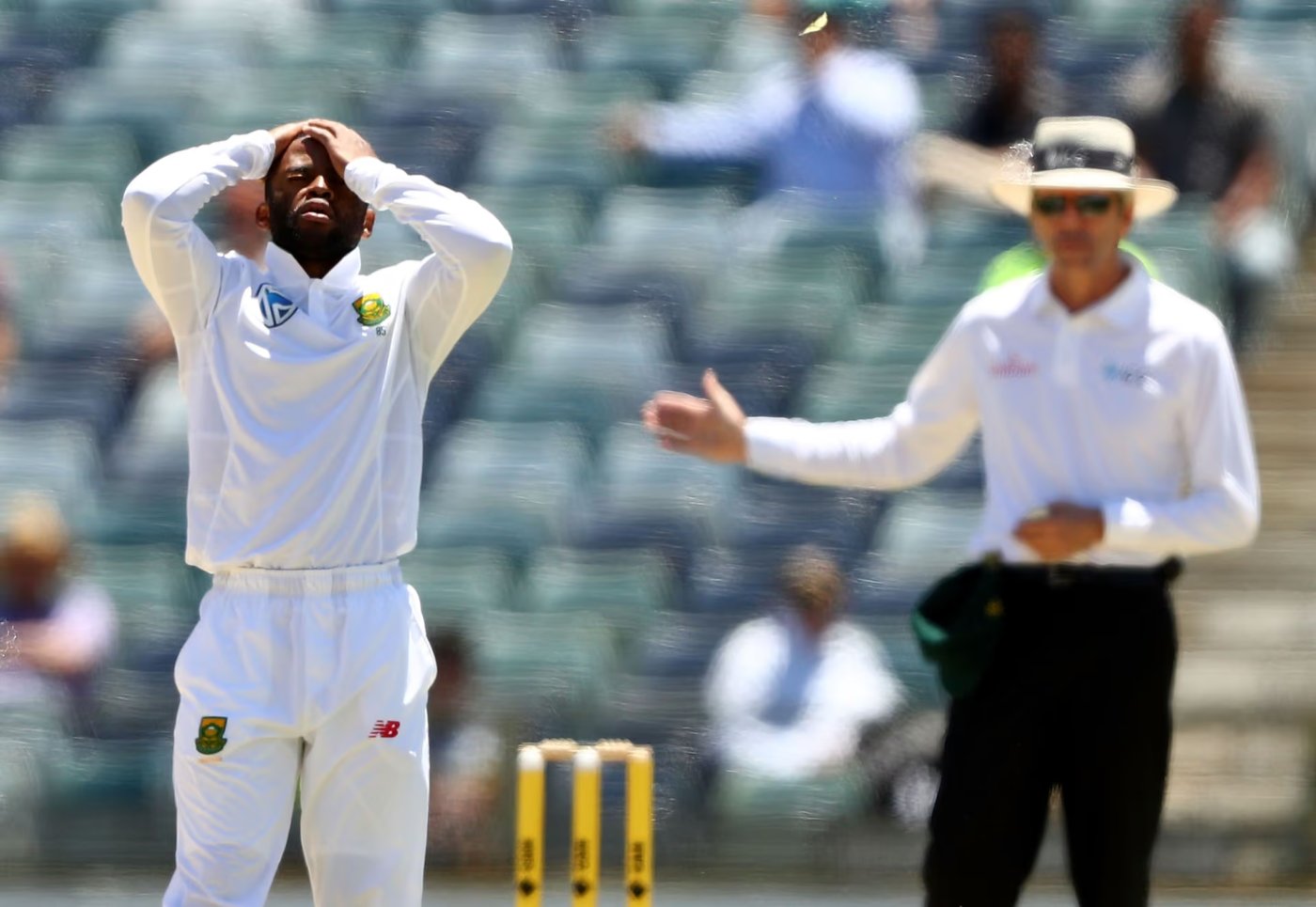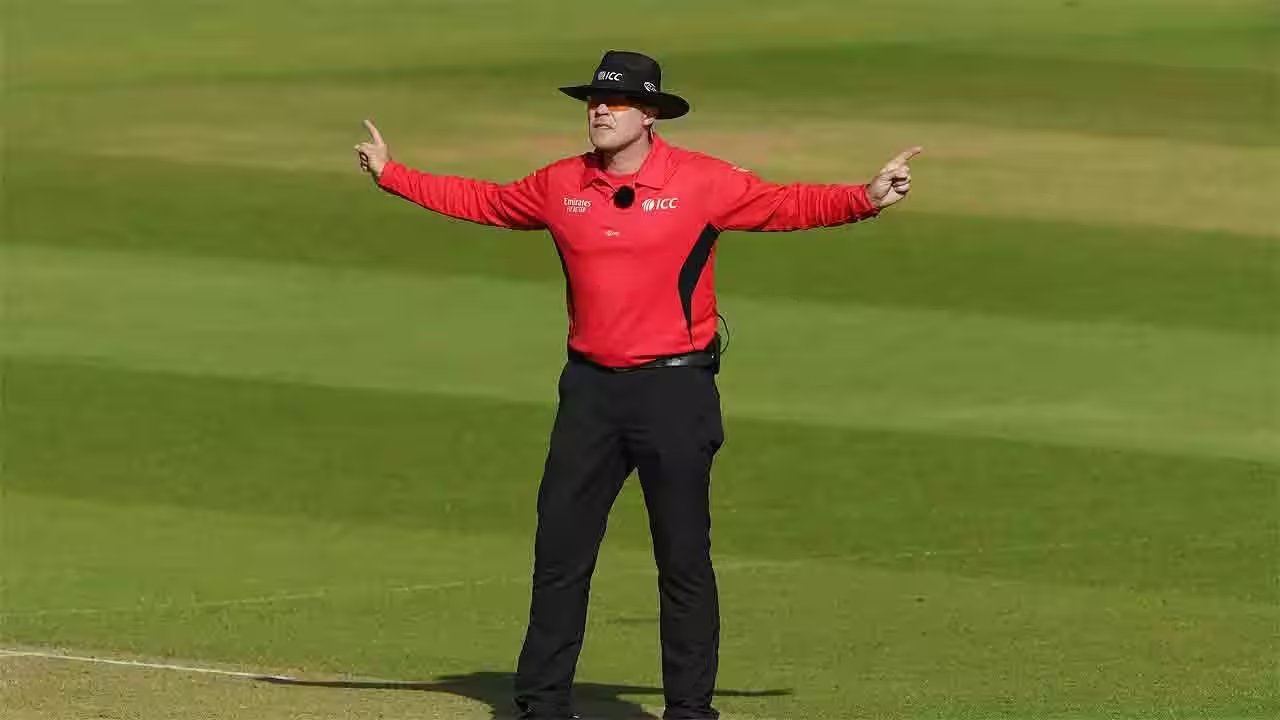

A hat-trick in cricket is when a bowler takes three wickets with three consecutive deliveries. It is one of the rarest feats in the game.
The Rules
- All three wickets must be taken by the same bowler on three consecutive legal deliveries that bowler bowls.
- The deliveries can span two overs. For example, the last two balls of one over and the first ball of the bowler's next over.
- The wickets must be credited to the bowler: bowled, caught, LBW, stumped or hit wicket.
What Doesn't Count
A run out is not credited to the bowler, so it breaks the sequence. Wides and no-balls are not legal deliveries, so they don't break a sequence either, though a batter can't be bowled or caught off them. Check the full rules for each in our posts on no-balls and wides.
Why It's So Rare
Taking three wickets in a row needs skill, a bit of luck, and new batters walking in who haven't yet settled. Fast bowlers often get them with a yorker or a swinging delivery; spinners get them by deceiving a new batter. Learn how those deliveries work in What Is a Yorker?, reverse swing and the googly.
Related Terms
A hat-trick ball is the delivery on which a bowler can complete one, with two wickets already in the bag. See more in the Cricket Codex.